Helan Mountains East Foothills
Wine Region

NINGXIA

History of the region and its winemaking activity

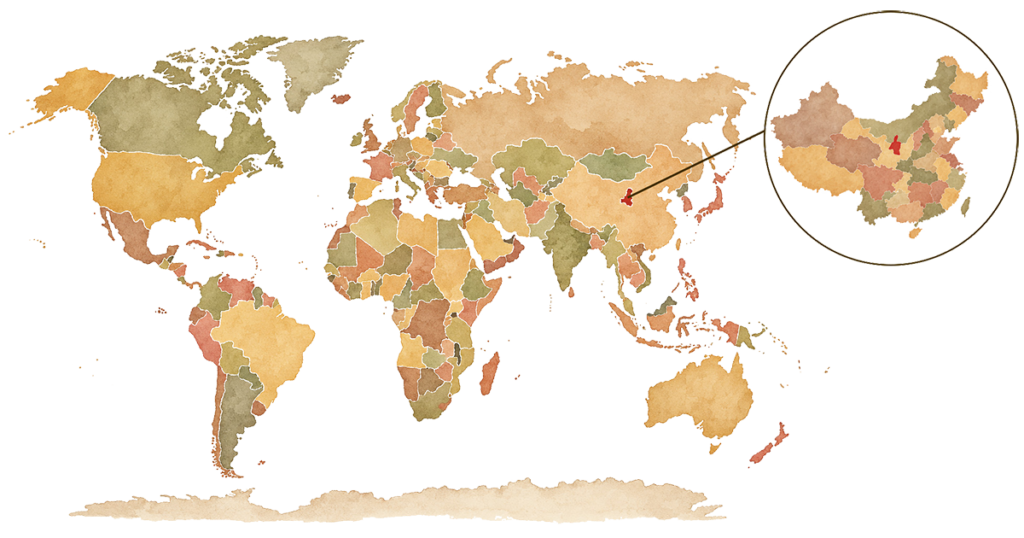
Between the Helan Mountains and the Yellow River in northwest China, lies the Ningxia Helan Mountains East Foothills Wine Region, one of the country’s most prominent wine regions.

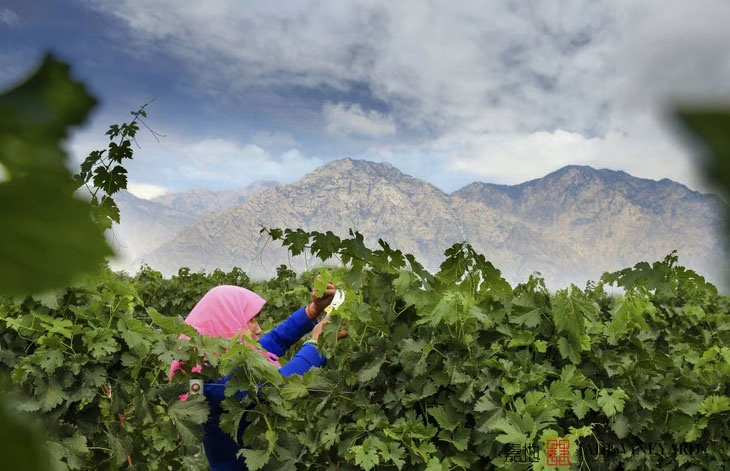
Located in the Ningxia Hui Autonomous Region, this area occupies the eastern slopes of the Helan mountains range, where the characteristics of the territory and its unique natural environment have favored the development of viticulture with great identity.

HISTORY

Altitude and climate

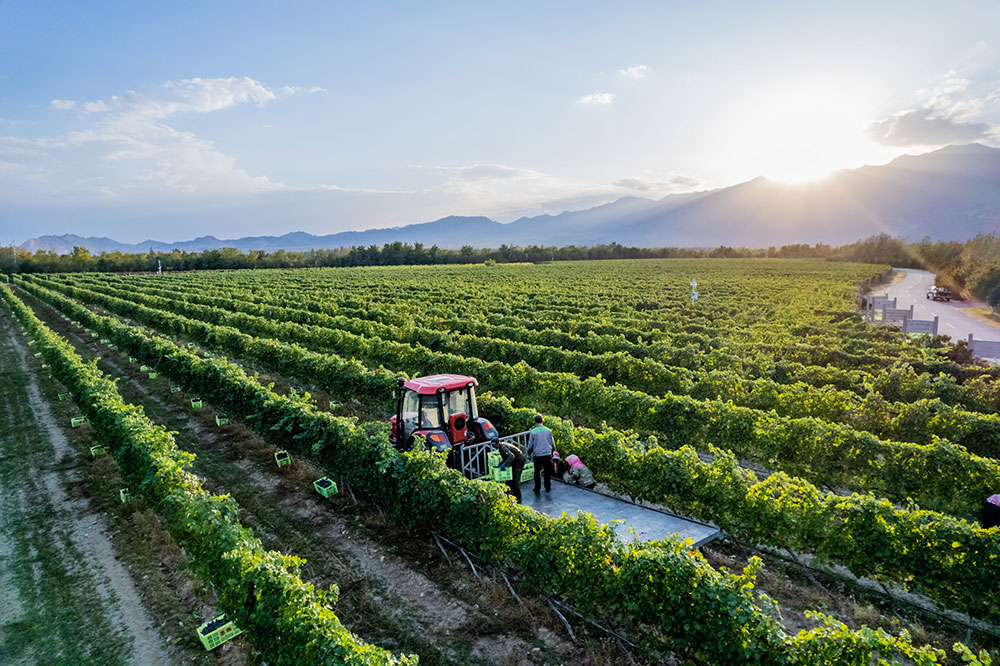
The vineyards of Ningxia Helan Mountains East Foothills Wine Region are mainly located in the eastern foothills of the Helan mountains range, at an altitude generally above 1,000 meters, with the main wine-growing areas between 1,100 and 1,200 meters.

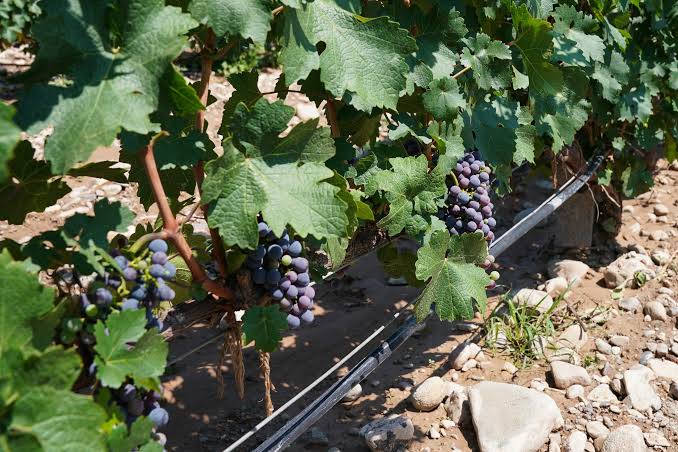
The landscape is articulated between the Helan Mountains and the Yellow River, where sandy, stony and alluvial soils predominate, well drained and permeable. In an environment of low rainfall, the Yellow River is the main water resource and allows the development of viticulture through irrigation systems.

A terroir of great varietal diversity

Although Cabernet Sauvignon is one of the most representative varieties of Ningxia, the region has a wide range of grapes. Along with Cabernet Gernischt, Merlot, Marselan, Syrah, Pinot Noir or Malbec, white varieties such as Chardonnay, Riesling, Sauvignon Blanc, Petit Manseng and Viognier are also grown.

The choice of varieties is adapted to the different altitudes and soil conditions of the region, resulting in an increasingly diverse wine-growing landscape.
Viticulture in balance with the territory

Ningxia’s viticulture combines tradition, innovation, and adaptation to the environment. The region follows a model known as “Small wineries, large industry”, which integrates grape cultivation, processing, and marketing, and has more than 40 technical standards related to wine production.

The vineyards are mainly cultivated on alluvial and sandy soils, using trellis systems, yield control, integrated pest management and efficient irrigation.

Protecting the vine undergroundajo tierra

One of Ningxia’s most distinctive practices is the winter burying of vines. Due to the low temperatures, many plants are pruned and covered with earth before winter to protect them from the cold. With the arrival of spring, they are uncovered again to begin the next growing cycle.

This process, which is repeated every year, is one of the most characteristic features of winegrowing in Ningxia. At the same time, research is being carried out into the development of cold-resistant varieties that will enable the need for this system to be gradually reduced.